
The Expanding Middle East War of 2026
A major war is currently unfolding in the Middle East, centered on a rapidly escalating conflict between Iran, Israel, and the United States, with consequences spreading across the wider region and global economy.
Background and Outbreak
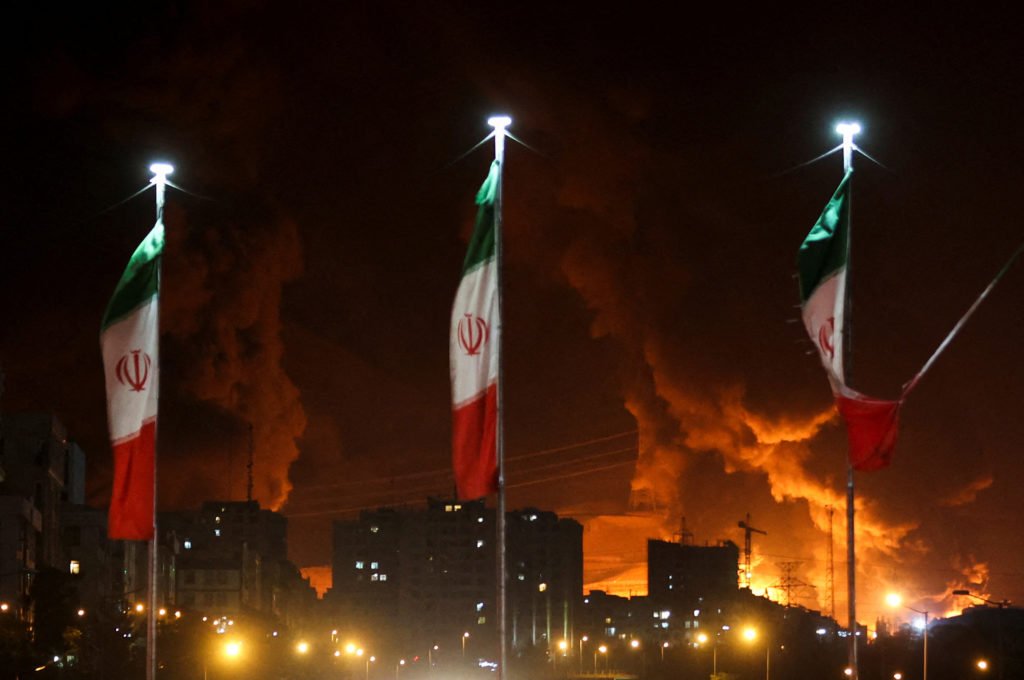
The war began on February 28, 2026, when the United States and Israel launched coordinated strikes on Iran, targeting military and nuclear-related sites. Iran responded with a large-scale retaliation involving missiles and drones aimed at Israel and U.S. interests across the Middle East.
What started as a direct confrontation has quickly evolved into a multi-country regional conflict, drawing in Gulf states and armed groups aligned with Iran.
Escalation Across the Region
The fighting has spread far beyond Iran and Israel:
-
Iran has launched attacks on countries including the UAE, Saudi Arabia, Bahrain, and Kuwait, targeting military bases and energy infrastructure.
-
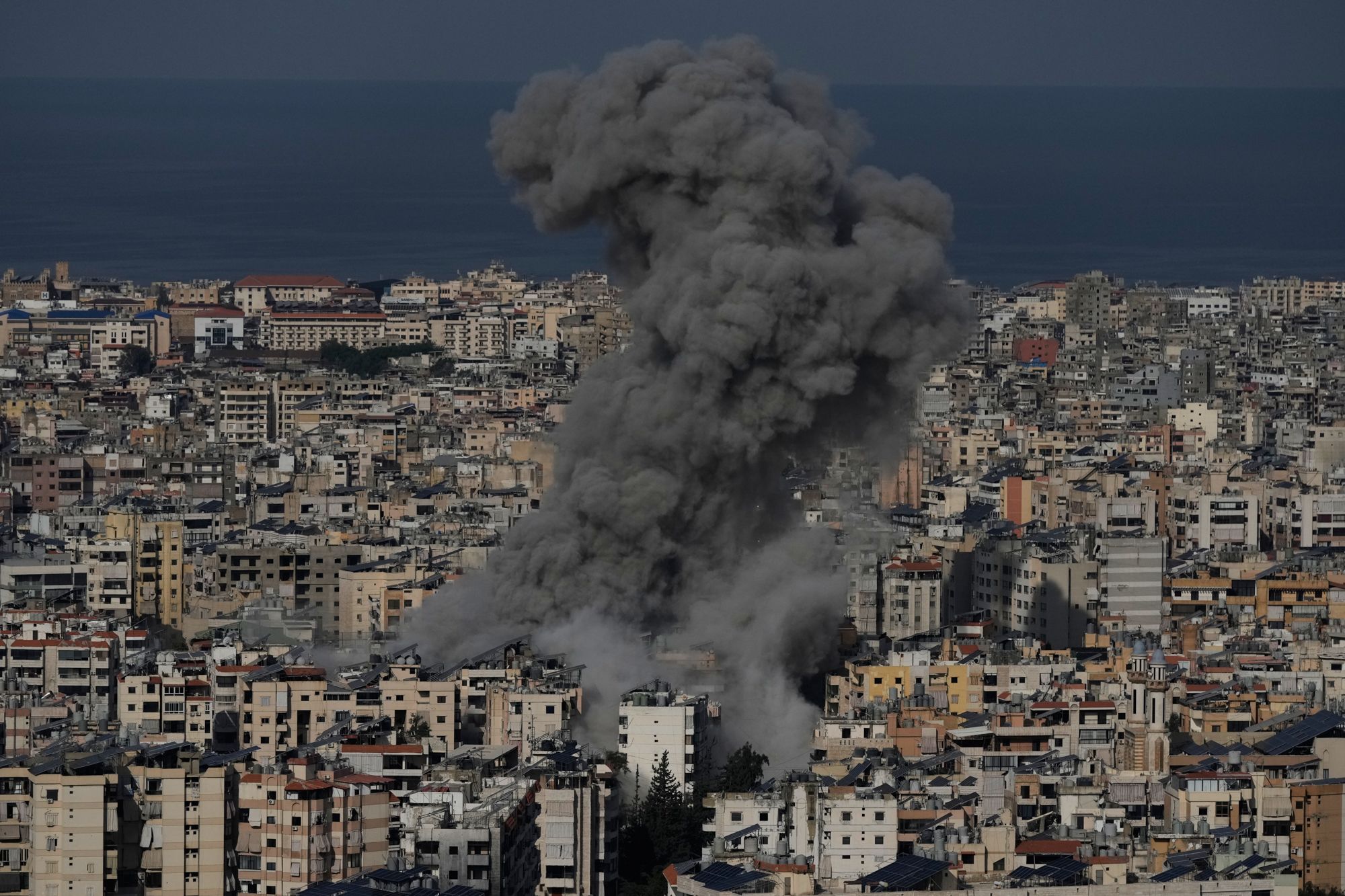
Israel has intensified strikes on Hezbollah positions in Lebanon, causing widespread destruction and displacement.
-
Missile attacks have reached major cities like Tel Aviv, damaging civilian areas and infrastructure.
The conflict is no longer localized—it now affects much of the Middle East.
Human and Humanitarian Impact
The war has already caused thousands of deaths and injuries:
-
Over 1,300 people killed in Iran
-
Around 1,000 deaths in Lebanon
-
Casualties reported in Israel, Gulf countries, and among U.S. forces
In Lebanon alone, about one million people have been displaced, creating a severe humanitarian crisis.
Civilian infrastructure—including homes, bridges, and medical facilities—has been heavily damaged.
Economic and Global Consequences
One of the most serious global effects is disruption to energy supplies:
-
Iran has threatened or disrupted shipping in the Strait of Hormuz, a key route for global oil.
-
Attacks on major energy facilities, including in Qatar, have pushed fuel prices sharply higher worldwide.
This has triggered a global energy crisis, with rising fuel costs and economic instability affecting countries far beyond the region.
International Response
-
The United States has deployed additional troops and warships to the region.
-
NATO has withdrawn personnel from Iraq due to security risks.
-
Diplomatic efforts are ongoing, but there is little sign of a ceasefire in the near future.
Current Situation
As of March 2026, the war continues to intensify with:
-
Ongoing airstrikes and missile attacks
-
Expanding regional involvement
-
Increasing risk of a prolonged, large-scale conflict
Experts warn that the situation could either escalate further into a wider war or settle into a long-term regional standoff.