
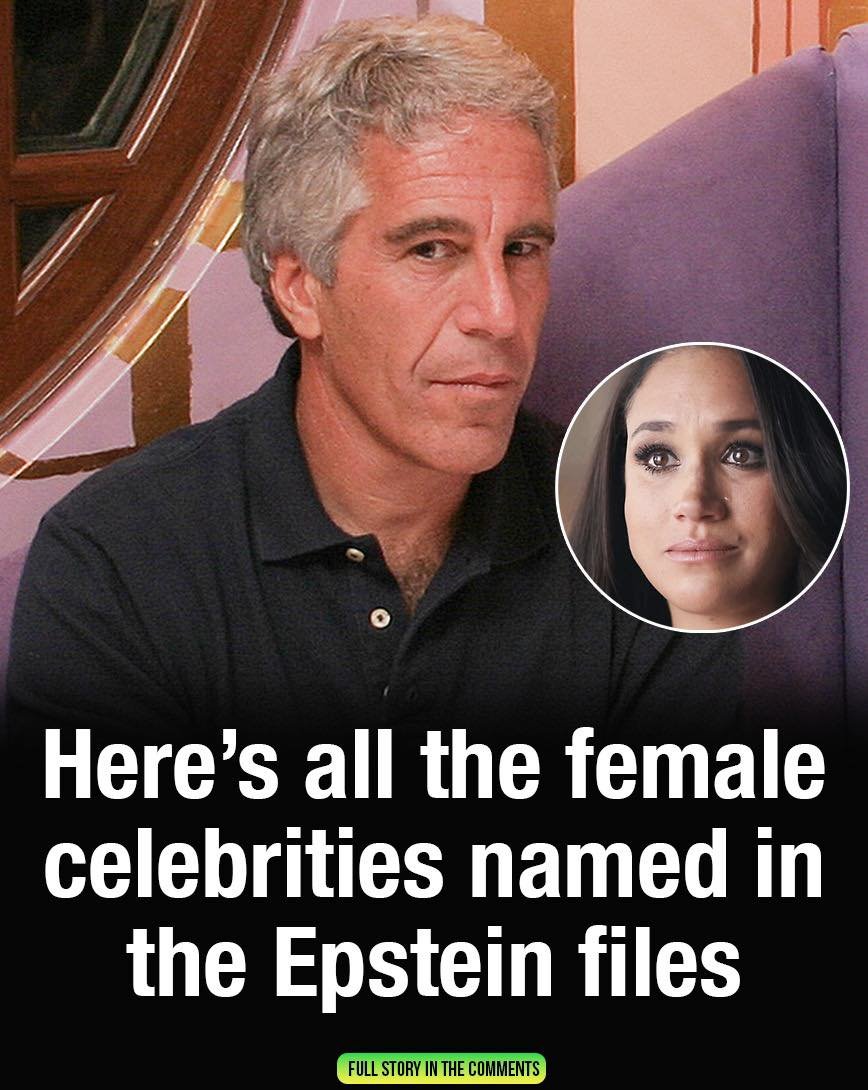
The Reality Behind the Epstein Files
In recent years, the so-called “Epstein files” have become a magnet for public curiosity, speculation, and, increasingly, misinformation. Fueled by viral posts and sensational headlines, many people have come to believe that a massive, secret archive exposes widespread wrongdoing by celebrities and political figures. The truth, however, is more complex—and far less dramatic than many online claims suggest.
At the center of it all is Jeffrey Epstein, a financier who was convicted of sex crimes and later accused of running a large-scale trafficking operation involving underage girls. His longtime associate, Ghislaine Maxwell, was convicted in 2021 for her role in recruiting and grooming victims. These two individuals are the only figures definitively proven in court to be central to the criminal network.
What people refer to as the “Epstein files” is not a single, unified release of documents. Instead, it is a collection of materials made public over time through lawsuits, investigations, and court rulings—most notably records from the case Giuffre v. Maxwell. These documents include flight logs, contact books, emails, and sworn testimonies. In 2024, a number of previously sealed records were unsealed, reigniting global interest.
However, one crucial fact is often lost in the noise: being named in these documents does not imply wrongdoing.
Epstein maintained an extensive network of contacts, ranging from politicians to celebrities and business leaders. Many individuals appeared in his address book, attended the same events, or were mentioned in passing during testimony. In some cases, their names surfaced simply because someone else referenced them in a conversation. This has led to widespread confusion, with casual associations being misinterpreted as evidence of involvement.
For example, public figures like Naomi Campbell and Bill Clinton have been reported in connection with Epstein in various contexts, such as social events or flight records. Yet, no charges have been brought against them related to Epstein’s crimes. Similarly, Prince Andrew faced civil allegations, which he has denied, and later reached a settlement without admitting liability.
The gap between documented association and proven misconduct is where misinformation thrives. Online articles and social media posts often blur this distinction, presenting long lists of names under misleading headlines. In some cases, they even include individuals with no verified connection to Epstein at all.
This tendency to conflate proximity with guilt reflects a broader issue in the digital age: the speed at which information spreads often outpaces the care needed to verify it. Complex legal documents are reduced to oversimplified narratives, and nuance is lost in favor of shock value.
None of this diminishes the seriousness of Epstein’s crimes. His case exposed significant failures in oversight and accountability, as well as the ways in which wealth and influence can shield individuals from scrutiny. But understanding what the documents actually show—and what they do not—is essential for separating fact from fiction.
In the end, the real story of the Epstein files is not about a hidden list of powerful people being exposed overnight. It is about a criminal case, a network built on influence, and a public trying to make sense of incomplete and often misunderstood information.