
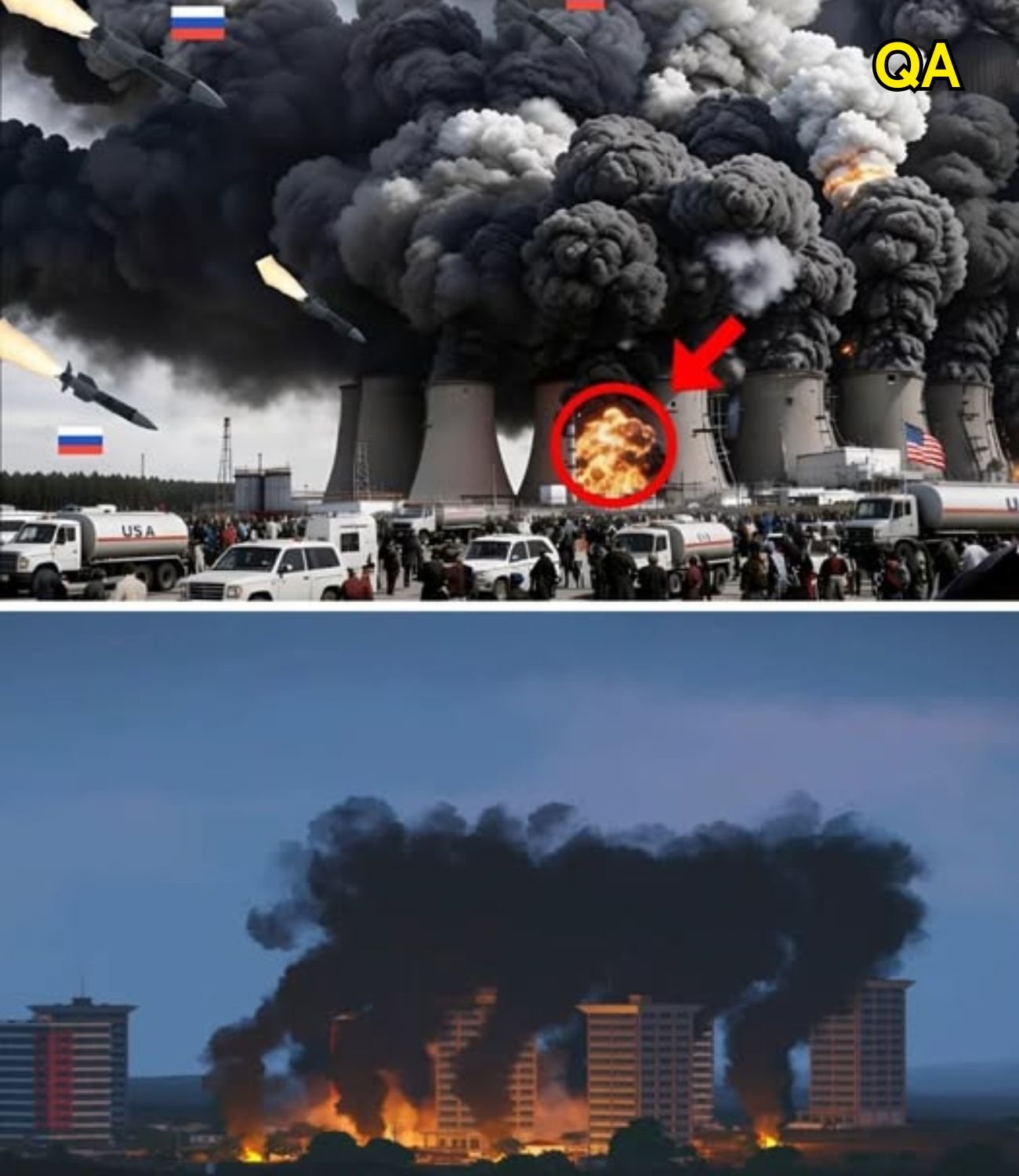
Viral Claim of “Destroyed U.S. Airport” Debunked: No Evidence Supports Online Rumor
A widely circulated claim alleging that a major international airport in the United States was “completely destroyed in two minutes” has been proven false, as no credible evidence or official confirmation supports the story. The viral narrative, which spread rapidly across social media platforms and video-sharing sites, appears to be a clear case of misinformation amplified by sensationalism and lack of verification.
No Confirmation From Authorities or Trusted Media
In the event of a large-scale disaster involving critical infrastructure such as an international airport, immediate and extensive coverage would be expected from major global news organizations such as BBC News, CNN, and Reuters. Additionally, U.S. authorities including the Federal Aviation Administration (FAA), Department of Homeland Security (DHS), and local emergency services would issue rapid public statements.
However, in this case, there have been no such reports. No airport closures of catastrophic scale, no nationwide flight disruptions, and no emergency declarations have been announced. The complete absence of verifiable information strongly indicates that the claim is unfounded.
Real Incidents Misrepresented
While the viral story is false, there have been recent, legitimate aviation-related incidents that may have contributed to confusion. For example, a temporary evacuation occurred at Newark Liberty International Airport following reports of a burning smell in an air traffic control tower. Flights were briefly grounded as a precaution, but operations resumed shortly thereafter without major damage or injuries.
In a separate incident outside the United States, rockets struck near Baghdad International Airport, damaging a military aircraft. Importantly, the airport itself remained operational, and no large-scale destruction occurred.
These events, though real, are limited in scope and do not resemble the dramatic claims presented in the viral posts.
Hallmarks of Misinformation
The false claim demonstrates several common characteristics of online misinformation:
- Sensational Headlines: Phrases such as “in two minutes” and “completely destroyed” are designed to provoke shock and urgency.
- Lack of Specifics: The claim fails to identify the airport, location, or any verifiable details.
- Absence of Sources: No credible eyewitness accounts, official statements, or confirmed reports accompany the claim.
- Recycled Media: In many cases, unrelated or outdated images and videos are reused to create the illusion of authenticity.
These tactics are frequently used to generate clicks, shares, and engagement rather than to inform the public accurately.
The Role of Social Media
Social media platforms play a significant role in the rapid spread of such misinformation. Algorithms often prioritize engaging content, which can allow dramatic but false claims to reach large audiences quickly. Users, reacting emotionally to alarming headlines, may share content without verifying its authenticity, unintentionally contributing to the spread of false information.
Why Verification Matters
Misinformation involving public safety and infrastructure can have serious consequences, including unnecessary panic and erosion of trust in legitimate sources. It is essential for readers to verify information by:
- Checking whether reputable news organizations are reporting the same story
- Looking for official statements from relevant authorities
- Examining the credibility of the original source
- Being cautious of emotionally charged or vague headlines
Conclusion
The claim that a U.S. international airport was completely destroyed within minutes is entirely false. No evidence, official confirmation, or credible reporting supports the story. Instead, it serves as a reminder of how quickly misinformation can spread in the digital age and highlights the importance of critical thinking and media literacy.
Readers are encouraged to rely on trusted sources and verify extraordinary claims before accepting or sharing them. In an era of instant information, accuracy remains more important than speed.