
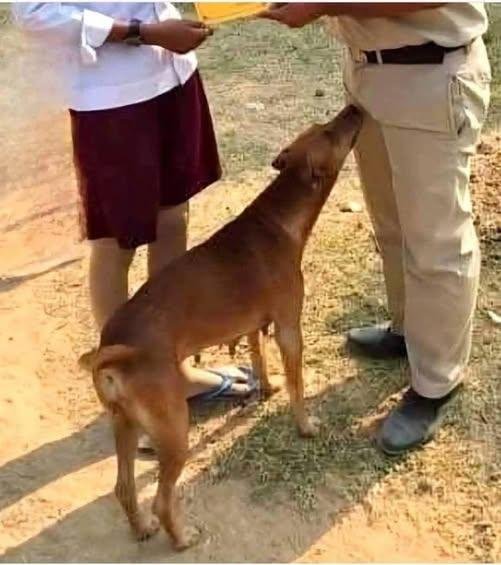
Dogs sniffing human private areas can feel awkward or embarrassing, but it’s actually a very normal behavior from a biological and behavioral standpoint. Understanding why it happens can make it less uncomfortable and help you respond appropriately.
Why Dogs Sniff Private Areas
1. Highly Developed Sense of Smell
Dogs rely heavily on their sense of smell to understand the world. A dog’s nose is far more sensitive than a human’s, allowing it to detect subtle chemical signals. Humans release scent through sweat glands, and areas like the groin and armpits have a higher concentration of these glands, making them especially interesting to dogs.
2. Natural Instinct and Communication
Dogs use scent as a primary way of gathering information. When dogs meet each other, they often sniff the rear area because it contains scent glands that provide details about identity, mood, and health. This behavior is linked to their use of the Pheromones—chemical signals that convey information between individuals.
When a dog sniffs a human’s private area, it is essentially trying to gather similar information in the only way it knows how.
3. Curiosity About New Scents
Dogs are naturally curious. They may be more likely to sniff you if:
- You are a new person to them
- You’ve recently exercised or sweated
- You’re wearing different clothes or scents
Any unfamiliar smell can attract their attention.
4. Hormonal Changes
Dogs can sometimes detect hormonal changes in humans. For example, they may show increased interest if someone is pregnant or experiencing changes in their body chemistry. This is again related to scent detection and pheromones.
5. Attention-Seeking or Learned Behavior
Sometimes, dogs repeat behaviors that get a reaction. If people laugh, push them away, or respond strongly, the dog may interpret it as attention and continue doing it.
Is It a Problem?
In most cases, this behavior is harmless and not a sign of aggression or anything inappropriate. However, it can be socially uncomfortable, especially around guests.
How to Handle It
If you want to discourage the behavior:
- Stay calm and avoid overreacting
- Gently move away or redirect the dog’s attention
- Use basic training commands like “sit” or “stay”
- Reward the dog when it behaves appropriately
Consistency is key in teaching the dog what is acceptable.
When to Be Concerned
You might want to pay more attention if:
- The dog becomes overly persistent or obsessive
- There are sudden changes in behavior
- It’s accompanied by other unusual signs
In rare cases, dogs may be reacting to strong or unusual body odors linked to health conditions, but this is uncommon and not something to assume immediately.