
A Closer Look at Common Facial Skin Conditions
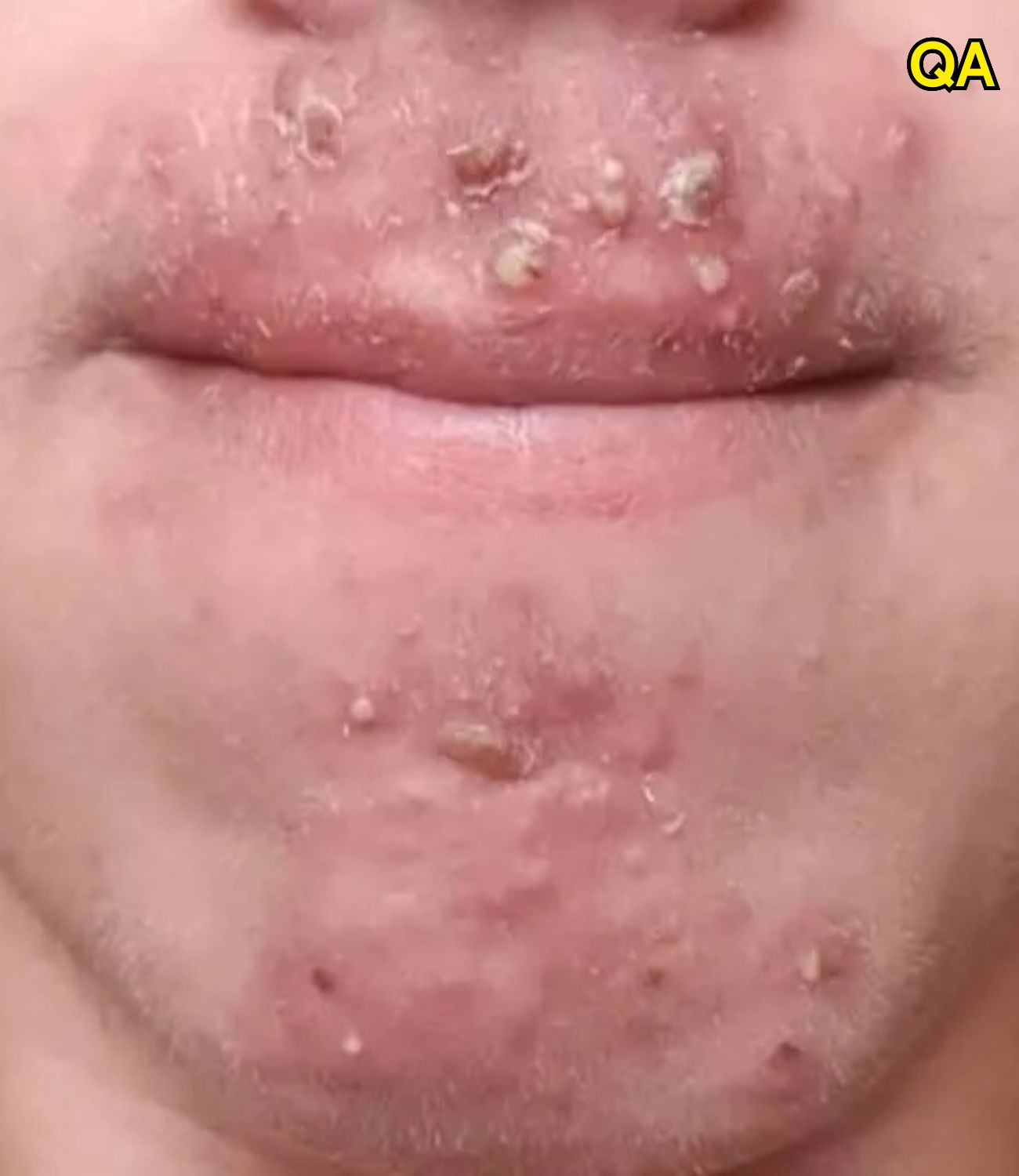
Many people have experienced the frustration of looking in the mirror and noticing small white or yellow bumps accompanied by redness, dryness, or flaking skin around the mouth and chin. While these symptoms can be concerning, they are often linked to common dermatological conditions that affect people of different ages and skin types.
Imagine a young professional preparing for an important meeting. After weeks of stress and changing skincare products, small bumps begin appearing around the chin and mouth area. At first, they seem harmless, but over time the skin becomes irritated, red, and increasingly difficult to manage. Like many individuals facing similar challenges, the search for answers begins with understanding what may be causing these changes.
Skin conditions affecting the face can have multiple causes, ranging from inflammation and bacterial imbalance to irritation from cosmetics and environmental factors. Understanding the possible explanations behind these symptoms is an important first step toward finding appropriate care and improving skin health.

What Do White or Yellow Facial Bumps Mean?
Small white or yellow bumps on the skin can develop for several reasons. When they appear alongside redness and flaking, dermatologists often consider several potential conditions. Because many skin disorders share similar visual characteristics, professional evaluation is usually recommended for an accurate diagnosis.
The appearance of bumps does not automatically indicate a severe condition. In many cases, the symptoms are manageable through proper skincare, medical guidance, and lifestyle adjustments.
Folliculitis: Inflammation Around Hair Follicles
What Is Folliculitis?
Folliculitis occurs when hair follicles become irritated or inflamed. This condition can sometimes involve microorganisms naturally present on the skin, although irritation from friction, sweat, or certain skincare products may also contribute.
The affected area may develop small bumps that resemble acne. Redness and mild discomfort can also occur, especially when the skin barrier has been weakened.
![Folliculitis, Acute Bacterial [Bockhart's Impetigo, Superficial Pyoderma, "Hot Tub" Folliculitis, Sycosis Vulgaris [Barbae] or Barbers Itch, Furuncles [Boils], Carbuncles) - Dermatology Advisor](https://www.dermatologyadvisor.com/wp-content/uploads/sites/20/2019/03/ch1011.fig1_.jpg)
Common Symptoms
People experiencing folliculitis may notice:
White or yellow-tipped bumps
Redness surrounding hair follicles
Mild itching or sensitivity
Clusters of small skin lesions
Areas of dry or irritated skin
Potential Treatment Approaches
Healthcare professionals may recommend topical treatments designed to reduce inflammation and support skin recovery. In some cases, prescription medications may be considered depending on the underlying cause and severity.
Gentle cleansing and avoiding irritating products are often important parts of the treatment plan.
Severe Acne and Inflammatory Breakouts
Understanding Acne Beyond Ordinary Pimples
Acne is one of the most common skin conditions worldwide. While many people associate acne with occasional blemishes, inflammatory acne can involve larger numbers of lesions, persistent redness, and ongoing skin irritation.
The chin and mouth region are particularly susceptible because of hormonal influences, oil production, and frequent contact with hands or personal care products.
Why Does Acne Develop?
Several factors may contribute to acne formation, including:
Excess oil production
Blocked pores
Inflammatory responses
Hormonal fluctuations
Certain cosmetic products
Stress-related skin changes
These factors often interact with one another, creating an environment where breakouts become more likely.

Treatment Options for Acne
Many dermatologists recommend topical treatments containing ingredients such as benzoyl peroxide or adapalene. These ingredients are widely used to help manage acne-prone skin and support clearer complexions.
Consistent skincare routines, combined with medical guidance when necessary, can often improve symptoms over time.
Perioral Dermatitis: A Common Yet Often Misunderstood Condition
What Is Perioral Dermatitis?
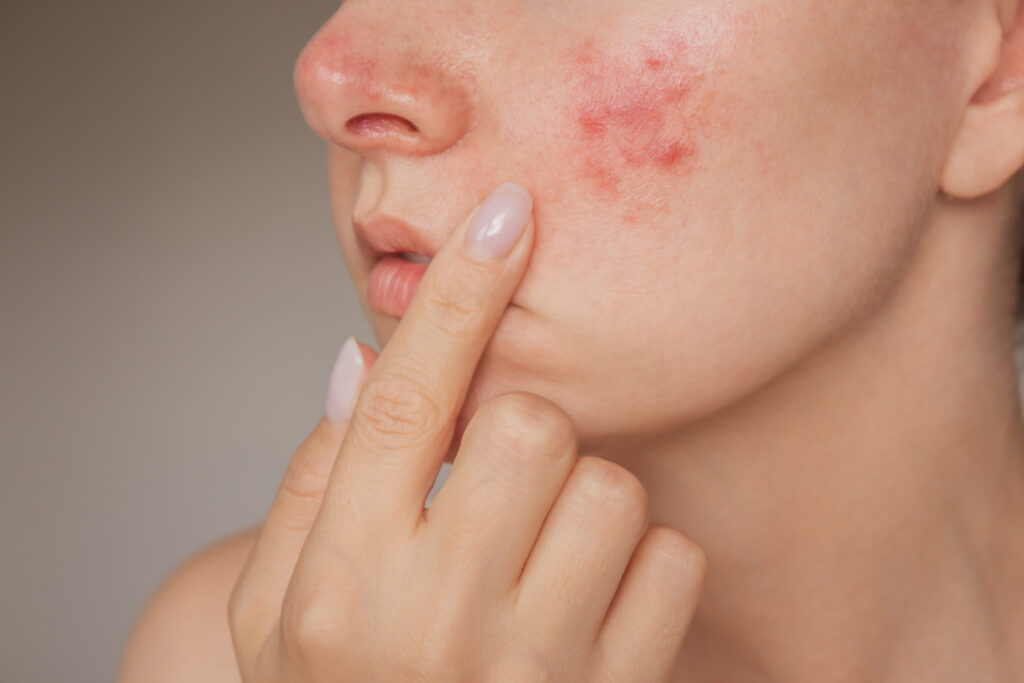
Perioral dermatitis is a facial skin condition that typically develops around the mouth, chin, and sometimes the nose. It often presents as a red rash accompanied by small bumps and occasional scaling or flaking.
Because its appearance can resemble acne or other skin disorders, it is frequently misunderstood during the early stages.
Signs and Symptoms
Common features include:
Redness around the mouth
Small inflammatory bumps
Dry or flaky skin
Sensitivity to skincare products
Recurring episodes of irritation
Interestingly, some individuals report that heavy cosmetic use or frequent changes in skincare routines seem to coincide with flare-ups. However, triggers can vary significantly from person to person.
Managing Perioral Dermatitis
Treatment typically focuses on reducing irritation and restoring the skin barrier. Dermatologists may suggest avoiding certain products temporarily while introducing treatments tailored to the individual’s skin condition.
Professional assessment is particularly valuable because approaches that work for acne may not always be suitable for perioral dermatitis.

The Role of Topical Treatments
Benzoyl Peroxide
Benzoyl peroxide is commonly used in acne management. It helps address factors associated with breakouts and may contribute to clearer skin when used appropriately.
However, some individuals experience dryness or irritation, making proper application and professional guidance important.
Adapalene
Adapalene belongs to a group of topical retinoid treatments frequently used for acne-prone skin. It supports healthy skin cell turnover and can help reduce clogged pores over time.
As with many skincare ingredients, gradual introduction often helps minimize irritation.
When Antibiotics May Be Considered
In certain cases, healthcare providers may recommend antibiotic treatments. These can be prescribed as topical applications or oral medications depending on the nature of the skin condition.
Antibiotics are commonly considered when bacterial involvement is suspected or when inflammation requires additional management. Because treatment decisions depend on individual circumstances, medical supervision is essential.
Self-prescribing medications is generally not recommended, as similar-looking skin conditions can have different underlying causes.
Professional Skin Care and Specialized Treatments
Deep Cleansing Procedures
Professional skin treatments often focus on removing impurities, excess oil, and dead skin cells. Deep cleansing procedures may help support overall skin health when performed appropriately.
Oxygen-Based Skin Therapies
Some skincare clinics offer oxygen-focused treatments designed to refresh the skin’s appearance and promote a healthier-looking complexion. While results vary among individuals, these therapies are popular components of comprehensive skincare programs.
Chemical Peels
Chemical peels are used to exfoliate the outer layers of the skin. Depending on the type and strength of the peel, they may help improve skin texture and reduce congestion within pores.
Because peels affect the skin barrier, they should be performed under qualified supervision to ensure safety and suitability.
Building a Healthy Daily Skin Routine
Gentle Cleansing
Using a mild cleanser can help remove dirt and oil without excessively stripping the skin’s natural protective barrier.
Moisturization
Hydrated skin is often more resilient and better able to recover from irritation. Choosing non-comedogenic moisturizers may help support skin comfort.
Sun Protection
Daily sun protection remains one of the most important aspects of skincare. Broad-spectrum sunscreen helps protect the skin from environmental stressors that may worsen irritation or discoloration.
Avoiding Excessive Product Use
Applying too many active ingredients simultaneously can overwhelm sensitive skin. A simplified routine is often beneficial, particularly during periods of inflammation.
Why Professional Diagnosis Matters
Facial skin conditions frequently share overlapping symptoms. White bumps, redness, scaling, and irritation may appear similar across multiple disorders, making self-diagnosis challenging.
A dermatologist can evaluate factors such as lesion distribution, skin history, product usage, and symptom progression to determine the most likely cause. This personalized assessment helps ensure that treatments are both appropriate and effective.
It is important to remember that information based solely on appearance should be viewed as general educational guidance rather than a definitive diagnosis.
The Connection Between Skin Health and Overall Well-Being
Skin health often reflects a combination of genetics, lifestyle habits, environmental exposure, and skincare practices. Stress, sleep quality, nutrition, and daily routines can all influence how the skin behaves.
While no single factor explains every skin condition, maintaining balanced habits may support healthier-looking skin over time. Consistency, patience, and evidence-based care are often key elements of successful treatment.
Conclusion
The appearance of small white or yellow bumps accompanied by redness and flaking around the mouth and chin can be associated with several common dermatological conditions, including folliculitis, inflammatory acne, and perioral dermatitis. Although these conditions may look similar, their causes and treatment approaches can differ significantly.
Modern dermatology offers a variety of treatment options ranging from topical therapies and prescription medications to specialized skincare procedures. Understanding the possible causes is an important step, but professional evaluation remains the most reliable way to determine the appropriate course of action.
Ultimately, our fascination with skin health reflects a broader aspect of human curiosity. We naturally seek explanations for visible changes in our bodies, and ongoing scientific research continues to expand our understanding of the complex relationship between skin, environment, and overall well-being.
Sources
American Academy of Dermatology (AAD) – https://www.aad.org
National Institute of Arthritis and Musculoskeletal and Skin Diseases (NIAMS) – https://www.niams.nih.gov
Mayo Clinic – https://www.mayoclinic.org
National Health Service (NHS) – https://www.nhs.uk