
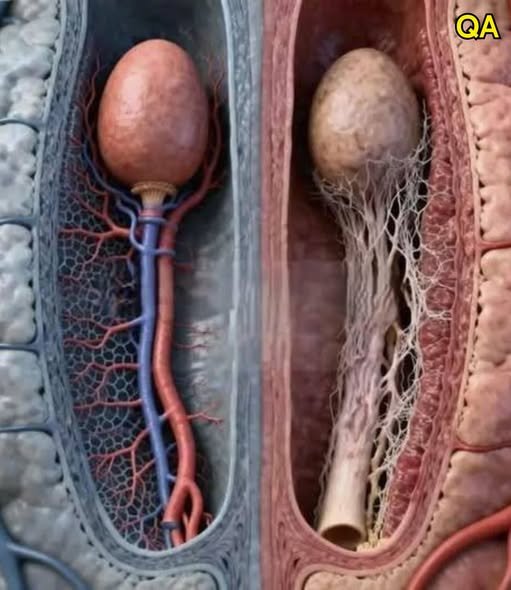
How Age Can Affect the Penis
Aging changes every part of the body, and the penis is no exception. These changes are usually gradual and normal, though they can sometimes feel surprising or frustrating. Understanding what happens over time can help reduce anxiety and make it easier to take care of sexual health and overall well-being.
Erections May Change
One of the most common age-related changes is in erections. Many men notice that erections:
Take longer to develop
Are less firm than before
Do not last as long
Require more direct stimulation
This often happens because blood flow naturally decreases with age, and testosterone levels slowly decline. Stress, poor sleep, smoking, diabetes, high blood pressure, and heart disease can also contribute.
These changes do not necessarily mean someone has erectile dysfunction. Many older adults continue to enjoy satisfying sexual relationships.
Sensitivity Can Decrease
The penis may become slightly less sensitive over time. This can make orgasms feel different or make it take longer to climax. Nerve function changes gradually with age, which is a normal biological process.
For some people, this reduced sensitivity lowers sexual enjoyment. For others, it can actually help with lasting longer during intercourse.
Appearance May Change
Aging can affect the look of the penis in several ways:
The skin may become thinner or less elastic
Pubic hair may thin or turn gray
The penis may appear slightly smaller due to reduced blood flow and tissue elasticity
Weight gain around the abdomen can make the penis look shorter because more of it becomes hidden by surrounding fat
These changes are usually harmless and part of overall aging.
Curvature Can Develop
Some men develop a noticeable curve in the penis later in life. This may happen because of scar tissue forming inside the penis, a condition called Peyronie’s disease.
Mild curvature may not cause problems, but severe cases can lead to pain or difficulty during sex. Medical treatment is available if symptoms become bothersome.
Testosterone Levels Gradually Decline
Testosterone slowly decreases with age, often beginning around middle age. Lower testosterone can affect:
Sex drive
Energy levels
Mood
Muscle mass
Erectile quality
However, low testosterone is not the only cause of sexual changes. Emotional health, relationships, medications, and general physical fitness also play major roles.
Urinary Changes Can Affect Sexual Health
As men age, the prostate gland may enlarge. This can lead to:
Frequent urination
Weak urine flow
Needing to urinate at night
Because the prostate and sexual function are closely connected, urinary issues sometimes affect confidence or sexual comfort as well.
Emotional Impact Matters Too
Changes in sexual function can affect self-esteem, confidence, and relationships. Many men worry that aging means the end of intimacy, but that is not true. Communication, emotional connection, and adapting expectations often become more important with age.
Sexuality in later life is usually less about performance and more about comfort, connection, and mutual satisfaction.
Some changes are normal, but medical advice is important if someone experiences:
Sudden erectile problems
Pain during erections
Significant penile curvature
Loss of sexual desire
Lumps, sores, or unusual discharge
Difficulty urinating
These symptoms can sometimes signal conditions that need treatment.
Healthy Habits That Help
Good overall health strongly supports sexual health. Helpful habits include:
Regular exercise
Not smoking
Managing stress
Maintaining healthy blood pressure and blood sugar
Getting enough sleep
Limiting heavy alcohol use
The penis depends heavily on healthy blood vessels, nerves, and hormones, so caring for the whole body makes a difference.
Aging affects the penis in physical and emotional ways, but most changes are gradual and manageable. Many men remain sexually active and satisfied well into older adulthood. Open communication, realistic expectations, and attention to general health can make the transition through different life stages much easier.