
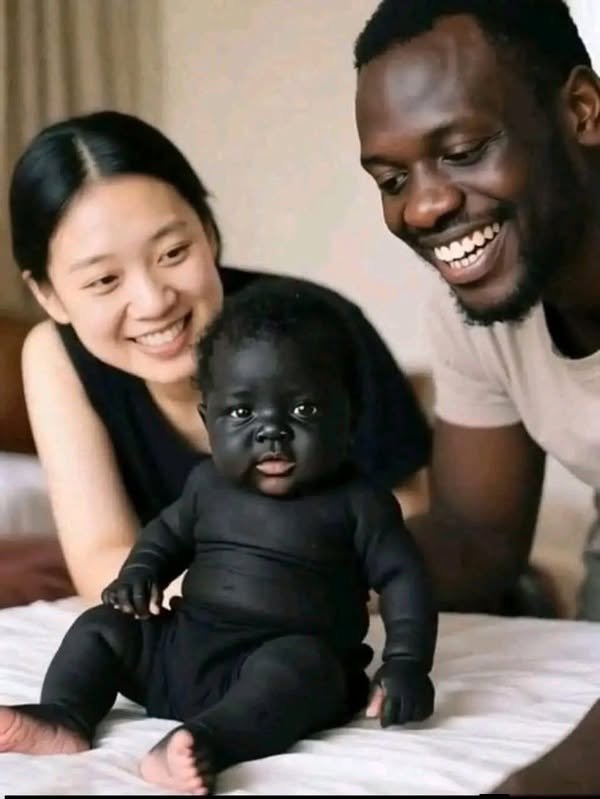
Viral Claims About China’s “AI-Integrated Superhuman Baby” Are False
A dramatic story circulating across social media platforms has sparked confusion and concern after posts claimed that scientists in China had created the “world’s first baby with Integrated Artificial Intelligence” and “modified total immunity.” The viral content describes the child as a genetically engineered “superhuman” capable of resisting diseases and possessing enhanced intelligence.
However, there is no scientific evidence supporting these claims, and experts say the story is largely based on misinformation, distorted science, and recycled rumors connected to older gene-editing controversies.
The rumor appears to stem from the infamous 2018 case involving Chinese scientist He Jiankui, who shocked the global scientific community after claiming he had created the world’s first gene-edited babies using CRISPR technology. His experiment reportedly involved altering embryos before birth in an attempt to make the children resistant to HIV infection.
At the time, He announced that twin girls had been born after he edited a gene known as CCR5, which plays a role in HIV infection. The announcement triggered worldwide outrage from scientists, ethicists, and governments, many of whom condemned the experiment as irresponsible and dangerous.
Despite sensational headlines, the babies were not “AI-enhanced,” nor were they given complete immunity to disease. Scientists stressed that CRISPR gene-editing technology can only modify specific genes and does not create superhuman abilities or artificial intelligence inside the human brain. Experts also warned that the long-term consequences of such genetic alterations remain unknown.
Chinese authorities later declared the research illegal, saying it violated medical and ethical regulations. Investigators accused He Jiankui of bypassing oversight procedures and pursuing the project for personal fame. In 2019, he was sentenced to three years in prison for illegal medical practices.
In recent months, social media users have revived the old story and mixed it with futuristic concepts involving artificial intelligence, “designer babies,” and enhanced human evolution. Many viral videos use AI-generated visuals, fabricated laboratory footage, and misleading captions to suggest that scientists have successfully merged AI with human biology.
Researchers say such claims are scientifically impossible with current technology. Artificial intelligence exists as software systems running on computers and machines, not as something biologically implanted into a newborn child. Likewise, there is no known medical technology capable of granting “total immunity” against all diseases.
Medical experts also note that even advanced gene editing remains highly experimental and tightly regulated in most countries because of ethical concerns and unpredictable risks. While CRISPR technology has shown promise in treating certain inherited diseases, it is far from creating genetically perfected humans.
The viral “AI baby” narrative highlights how easily real scientific developments can be exaggerated online. By combining genuine stories about genetic engineering with fictional ideas about artificial intelligence, misleading posts can create fear and confusion among the public.
At present, there is no verified case anywhere in the world of a baby born with integrated artificial intelligence, superhuman abilities, or complete disease immunity.